Most people turn on their tap and never think twice about what’s in the water. That’s exactly how it should be — and exactly why the people running municipal backflow programs carry so much quiet responsibility.
As someone who has spent years working alongside water purveyors and backflow testers on cross-connection control management, I’ve seen firsthand how much work goes into keeping drinking water safe. I’ve also seen how easily that work can fall through the cracks when a program isn’t running efficiently. The gap between a well-run backflow program and a struggling one often has nothing to do with intent — and everything to do with resources, process, and the sheer volume of administrative work involved.
Here’s what doesn’t make it into the regulatory handbooks: managing a backflow program at any meaningful scale is an enormous administrative undertaking, typically handled by a very small team. Think about everything a program is actually responsible for:
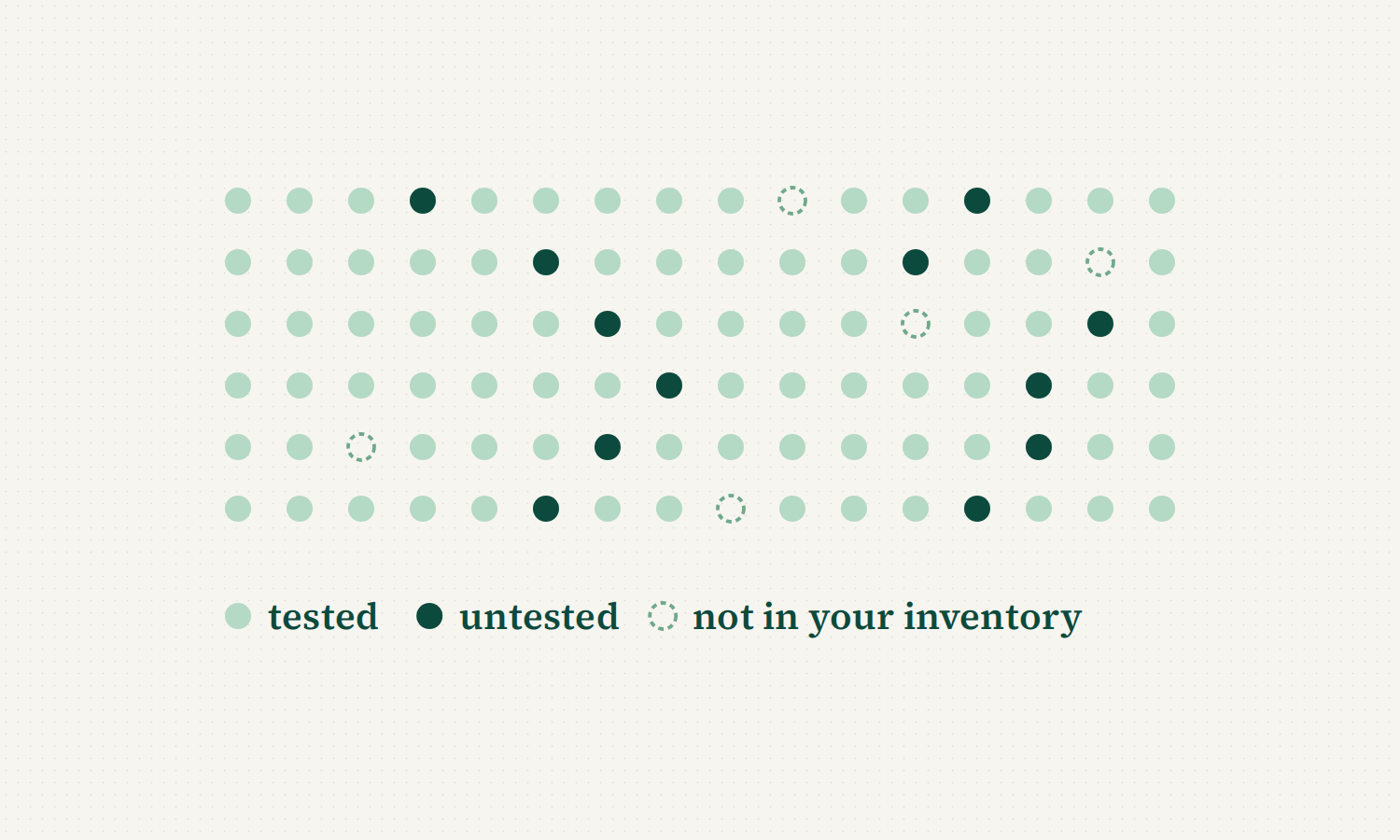
- Maintaining an accurate inventory of every assembly in your system — potentially tens of thousands of them — as properties change hands, new assemblies get installed, and old ones get swapped out
- Performing inspections to find new cross-connections before they become problems, not after
- Coordinating with plumbing and building permits so new assemblies get caught at install time instead of discovered years later
- Notifying property owners when tests are due, following up when they don’t respond, escalating to a second notice, and eventually a shut-off notice
- Managing the testers themselves — confirming certifications, gauge calibrations, and who’s even authorized to test in your system
- Receiving test results, verifying them, logging them, and chasing down retests on the ones that failed
- Producing reporting that demonstrates compliance to your state regulator — who may audit you on it
In states like California (under the Cross-Connection Control Policy Handbook), Washington (DOH WAC 246-290), and Texas (TCEQ Chapter 290), the regulatory expectations are explicit and the consequences for non-compliance are real — including fines and formal audits. But the pressure isn’t just external. Every assembly that goes untested is a gap in your program and a potential risk to the people your system serves.
Why Do Municipal Backflow Programs Fail?
The most common failure mode I see isn’t negligence. It’s capacity. When you’re manually generating letters, stuffing envelopes, entering test results from paper forms, and maintaining records in spreadsheets, you’re burning through hours that could go toward actually strengthening the program. And when you’re short-staffed — which is almost always — something slips.
What slips first is usually follow-through. Notices go out late. Test results sit in an inbox waiting to be entered. The data you’d need to pull a clean compliance report is scattered across three different places. By the time annual reporting rolls around, it’s a scramble.
The irony is that the program exists to protect public health — but the mechanics of running it can crowd out the work that actually accomplishes that.
What a Well-Run Program Actually Looks Like
The water purveyors I’ve seen run tight programs tend to have a few things in common. Their data is centralized and current. Notices go out automatically on schedule. Testers submit results directly into the system rather than dropping off paper forms. And when it’s time to report to the state, the information is already there — no reconstruction required.
That’s not a fantasy. That’s what becomes possible when you transition to cloud-based backflow tracking software to remove the manual overhead and let your team focus on the work that actually requires their expertise: surveying, auditing, identifying gaps, and staying ahead of compliance rather than chasing it.
The Bigger Picture
Cross-connection control doesn’t get much public attention, and in some ways that’s a sign of success — people trust their water. But that trust is built on the quiet, consistent work of programs that don’t always have the resources or recognition they deserve.
If you’re running a cross-connection control program right now, you already know what’s at stake. The question worth asking is whether you’re running the program — or whether the program is running you.
Brock Sheehan is a Technical Specialist at SwiftComply and a certified Cross-Connection Control Specialist. He works with water purveyors to modernize and streamline backflow compliance programs.