I’d heard the rave reviews before I ever set foot in the room. Colleagues who’d attended Catalyst in past years came back with the same look — part exhaustion, part renewed purpose — and told me it was unlike anything else on their conference calendar. After spending a few days immersed in Catalyst’s theme of hospitality, public trust, and better engagement, I understand exactly why.
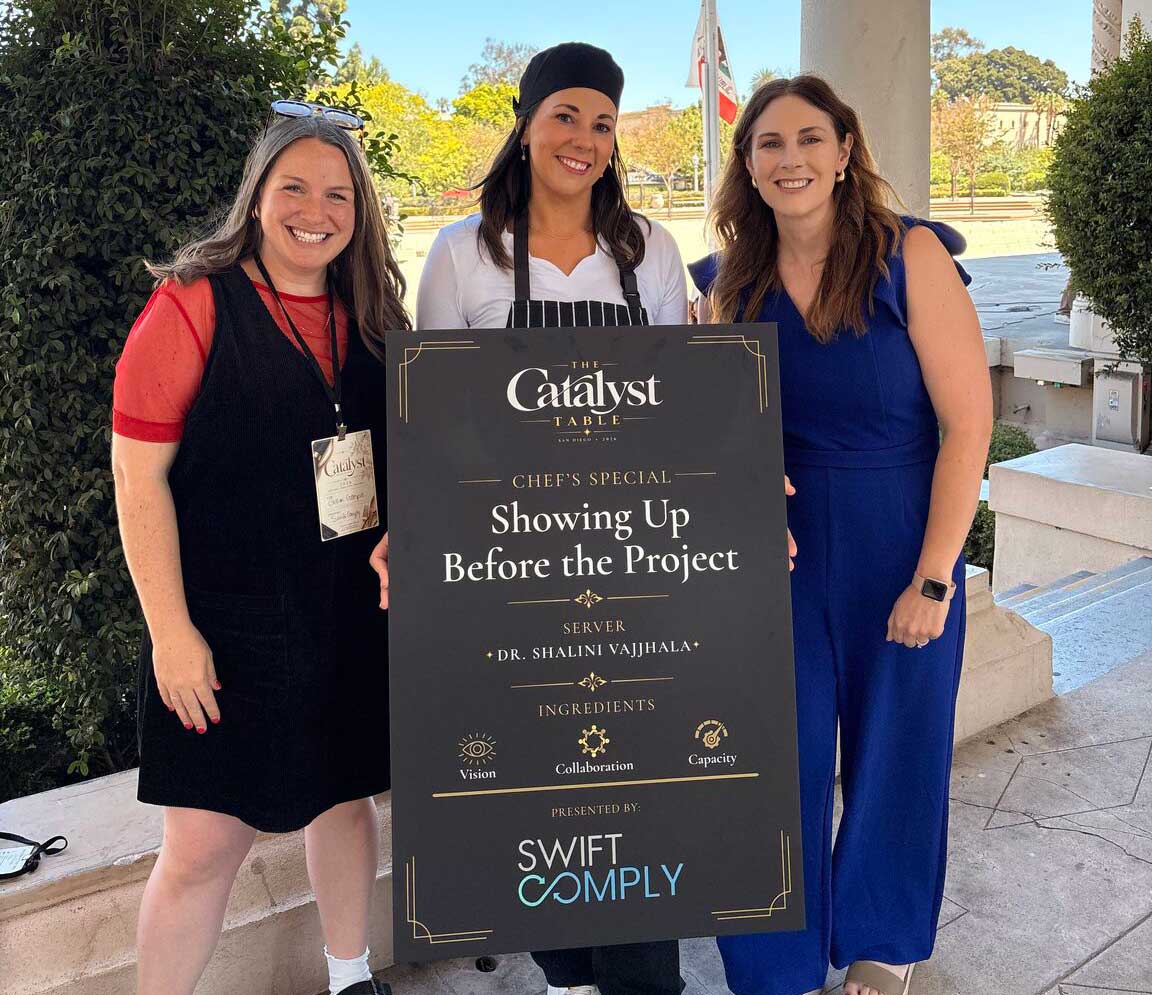
Catalyst isn’t built like most industry events. It’s built like a guide — a genuine framework for how water professionals can show up better for the communities they serve. Hospitality, in this context, isn’t about hotel bars or welcome receptions. It’s about how a utility greets a customer’s complaint, how a field technician explains a boil-water notice, how transparent an organization is willing to be when something goes wrong. Public trust doesn’t get rebuilt with a press release. It gets rebuilt one interaction at a time, and Catalyst puts that idea at the center of everything.
A room full of communicators changes what you hear
That focus made sense once I looked around the room. The people at Catalyst weren’t primarily engineers or back-office compliance staff, they were communicators. The stakeholders responsible for how their utilities show up to the communities they serve, day in and day out. That framing changed how I listened to every session.
One line has stuck with me since. In her session on showing up when no one owns the problem, Dr. Shalini Vajjhala shared a quote that I haven’t been able to shake. “I’ve never seen anyone trust anyone who made them feel dumb.” It’s such a simple idea, but it reframes so much of what public trust actually requires. Trust isn’t won with more information or more technical accuracy. Sometimes it’s lost the moment someone feels talked down to, and it’s the communicators in the room who understand that instinctively.
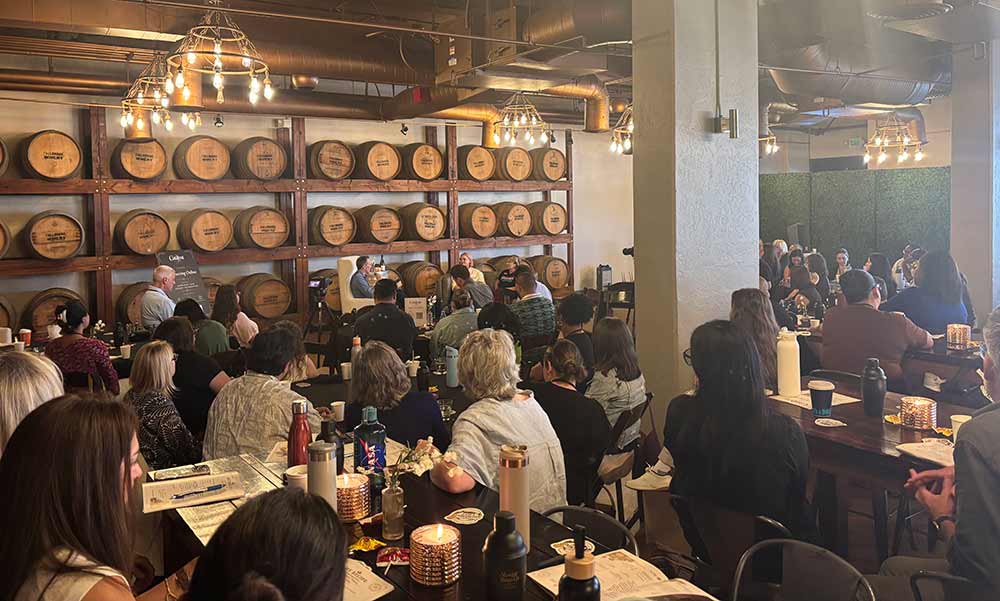
That idea showed up again and again in a different form: designing experiences for how you want people to show up. Session after session came back to this — that the way you structure a conversation, a notice, a public meeting, or even a website shapes whether people walk away feeling respected or dismissed. It’s not just what you communicate, it’s the experience you build around it. That’s a much bigger design challenge than most utilities are given credit for taking on.
That’s the part I keep coming back to: the people. I met communicators who are creatively solving problems most of us never see — finding ways to frame difficult conversations, rebuild trust after a rough season, or make a dense regulatory update feel human. Some of what they shared, especially around experience design, is already changing how I think about our own team’s work. But it’s the relationships that matter most. Ideas fade if there’s no one to build on them with. Connections don’t.
A missed report is a trust problem before it’s a risk problem
As a company that builds compliance management software for water utilities, we spend a lot of time thinking about accuracy, deadlines, and regulatory requirements. Catalyst was a good reminder that compliance isn’t just a checkbox, it’s one of the mechanisms by which trust gets built or lost. A missed report or a late notification doesn’t just create risk on paper; it affects how a community feels about the water coming out of their tap, and how dismissed or respected they feel by the utility serving them. That’s the connective tissue between what we build and what Catalyst is really about.
I’m leaving this event with new ideas I want to test with our team, and with real relationships I plan to keep investing in long after the badges come off. If Catalyst is any indication, the future of this industry depends less on any single piece of technology and more on the communicators willing to design better experiences and have hard, honest, hospitable conversations. I’m grateful to have spent a few days learning from the people already doing exactly that.
Dawn Shrum is the Vice President of Marketing at SwiftComply, where she leads brand and growth strategy to help water utilities and municipal compliance teams protect their communities.