Let’s face it, we’re all bargain hunters to a certain degree—and when you’re managing tight municipal budgets, pinching pennies on a new software purchase feels like the responsible thing to do.
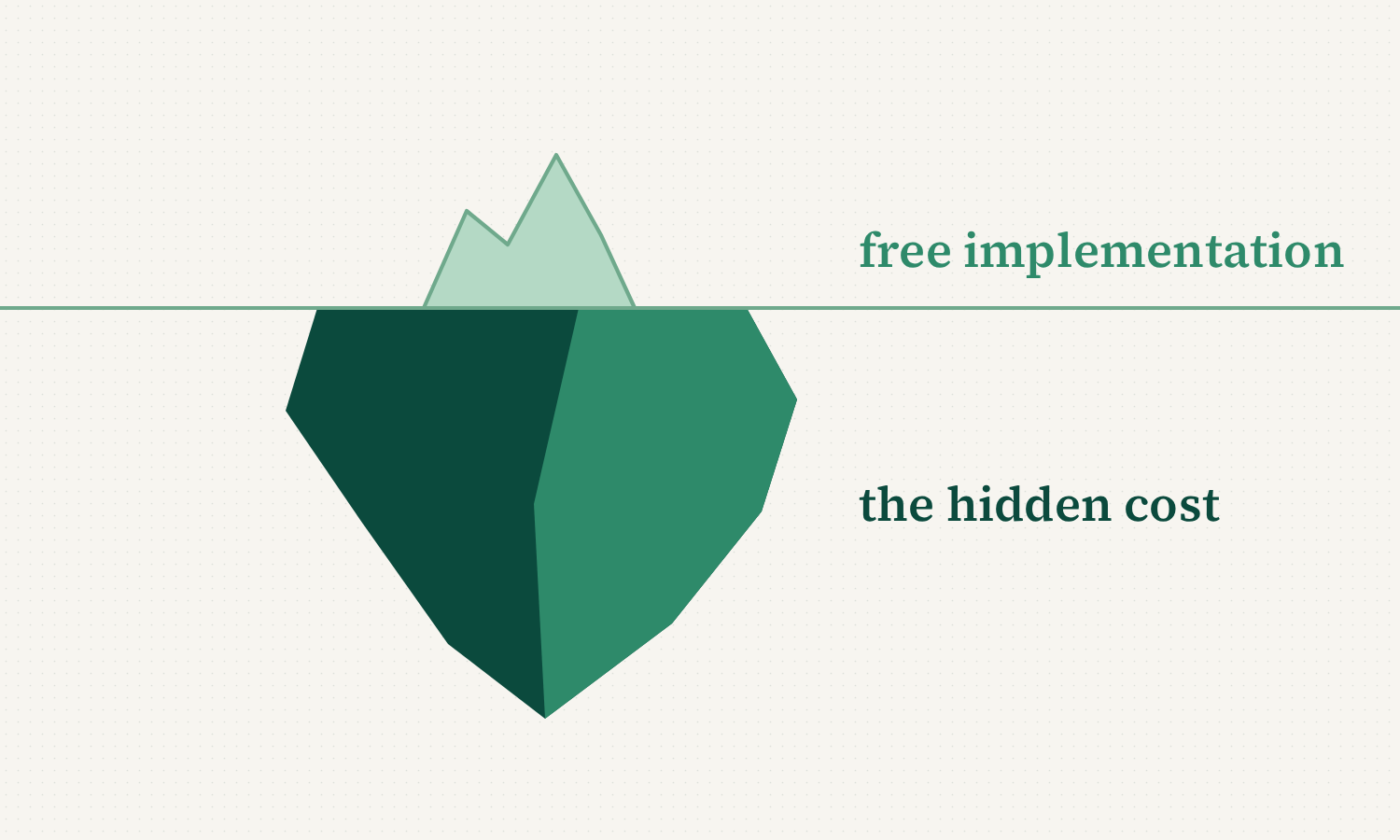
When you are looking at modernizing your compliance workflows, it can be incredibly tempting to lean toward the vendor offering “free implementation.” In fact, local water and wastewater utilities are often bound by rigid municipal purchasing processes that heavily reward the lowest bidder.
But when it comes to critical environmental compliance infrastructure, there is a practical, high-stakes concern that often gets overlooked: great software easily fails without a successful implementation.
The successful rollout of any application is entirely dependent on the actual services, data migration, and hands-on support provided by the vendor. To protect your program, you need levers to hold your software partner accountable. Accepting a deal for “free implementation” completely removes those levers.
Key Takeaways
- The Accountability Gap: Free implementation removes your operational leverage. When a vendor isn’t compensated for onboarding services, they have zero revenue risk and less incentive to prioritize your timeline.
- Onboarding Variables: A viable software transition requires three pillars: a structured, proven framework; a dedicated implementation manager; and tailored workflow training for field and office staff.
- Value Over Discount: True data migration and compliance configuration require real time, security, and expertise. Investing in upfront implementation services guarantees absolute audit readiness.
The reality behind “free” implementation services
If a software vendor isn’t being compensated for their implementation services, they have very little operational incentive to prioritize your project or respond quickly to your team’s questions.
This becomes exponentially important when purchasing modern software-as-a-service (SaaS), where utility contracts are typically multi-year agreements.
Your new supplier knows they have you locked in as a customer for several years. They aren’t trying to be intentionally difficult; they are simply managing their bottom line and allocating their engineering and support resources where their immediate revenue is at risk. If you signed a long-term contract with a free implementation, your project represents zero revenue risk to that vendor.
This reality rarely comes up during a polished sales presentation. Vendors love to brag about their support models being the best in the industry. But once the contract is signed, the reality on the ground can change quickly.
Navigating the complexity: Onboarding & implementation
Implementing new software is a complex process. This is especially true when it comes to the high-stakes work of mapping your historical compliance records, tester databases, and industrial permits over to a new system.
To clear out the administrative static before you even launch, a vendor must provide robust onboarding and hands-on implementation support. They should deliver personalized guidance during the data-mapping phase and offer comprehensive training programs tailored specifically to your team’s daily workflow.
Onboarding Viability Checklist
When evaluating a software partner’s onboarding viability, keep these three key considerations in mind:
- A structured process: Do they have a clear, documented, and proven implementation framework?
- A dedicated guide: Will you have a dedicated implementation manager assigned to guide your team step-by-step through this transition?
- Tailored training: Do they offer comprehensive training programs to quickly and effectively familiarize your field and office staff with the new system?
Why ongoing support is non-negotiable
The work doesn’t end once the software is deployed. After the system is in place, responsive ongoing support becomes essential to maintaining absolute audit readiness.
It’s a given that questions, shifting state mandates, and minor technical issues will come up. A software partner with a robust, dedicated customer support team will be able to address these effectively and promptly—ensuring your team never experiences a compliance blind spot.
How local governments can invest wisely in new software
So how can utility directors and compliance managers protect their programs when investing in new software?
- Be wary of the discount trap. Question any proposal offering free or heavily discounted implementations. True data migration and workflow configuration require real time, security, and expertise.
- Seek out software providers that place a high value on the onboarding services they provide. It shows they take your operational launch seriously.
- Challenge vendors to propose a level of dedicated support services that are actively engineered to guarantee your program’s specific success.
A lesson from the field
A few years ago, I was working on a large-scale SaaS proposal for a government agency. Our plan included extensive implementation services for business process reviews and change management. Worried that we would be too expensive and lose the contract purely on price, I spent considerable effort grinding down our onboarding partners to lower the service fees.
I was completely wrong.
When we presented the proposal, the government administrator challenged us. They were concerned we hadn’t built enough hands-on service into our plan, and they worried about the success of the implementation without more direct support.
I tip my hat to that administrator. They deeply understood that shortcuts during implementation lead to massive administrative headaches down the road. They prioritized achieving a reliable, long-term result that served their constituents and protected their community.
I learned a lesson that day that I have never forgotten. Software is only as good as the team that helps you deploy it. By prioritizing implementation success, local utilities can build a true system of action—clearing out the administrative static and setting their teams up to be the heroes of environmental compliance.
Stefan Baerg is the Chief Revenue Officer at SwiftComply, where he helps water utilities modernize their workflows and navigate complex regulatory environments.
Learn more about our solutions here.