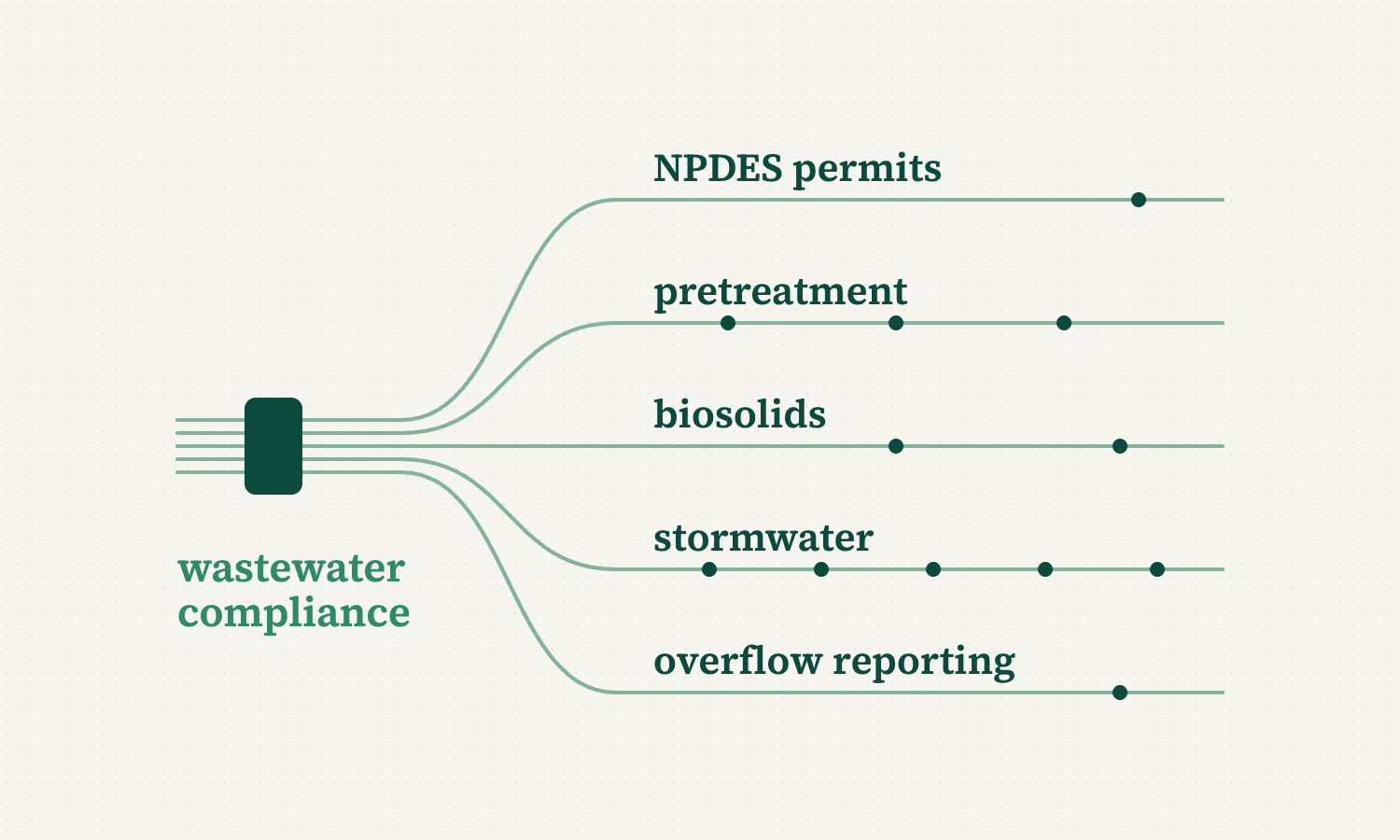
“Water quality compliance” and “wastewater compliance” get used almost interchangeably, but they’re not quite the same thing. Wastewater compliance is largely about permits and discharge limits — what you’re allowed to release, and under what conditions. Water quality compliance is about something harder to pin down: demonstrating, with data, that the water itself meets the standards it’s supposed to meet.
That distinction matters because it changes what “compliance” actually requires day to day. It’s less about paperwork at a point in time, and more about sustained, defensible monitoring.
What water quality compliance actually covers
At the federal level, water quality compliance traces back to the Clean Water Act’s water quality standards program, which requires states to set standards for their water bodies and periodically assess whether those standards are being met. A few pieces show up repeatedly:
- Water quality standards — the designated uses (drinking water source, recreation, aquatic life) and numeric or narrative criteria a water body has to meet.
- Impaired waters listings and TMDLs — when a water body doesn’t meet standards, it can land on a state’s impaired waters list, which can trigger a Total Maximum Daily Load (TMDL) study and follow-on obligations for anyone discharging into it.
- Ambient and compliance monitoring — the ongoing sampling programs that generate the data used to assess whether standards are being met in the first place.
- Public reporting — depending on the water body and use, that can mean public notifications (beach closures, recreational advisories) or published water quality reports.
Depending on what a utility operates, this can overlap with drinking water standards, stormwater monitoring, or industrial discharge programs — but the common thread is that it’s outcome-based. The question isn’t just “did you follow the permit,” it’s “does the water actually meet the standard.”
Why it’s genuinely difficult to stay on top of
Natural variability works against consistency. Weather, seasonal flow, and upstream conditions all affect water quality independent of anything a utility does — which makes it harder to demonstrate a clean, consistent compliance record even when operations haven’t changed.
Standards stack from multiple sources. Federal, state, and sometimes local standards can apply to the same water body, and they don’t always update or align on the same timeline.
Monitoring itself is a compliance obligation. Sample frequency, chain-of-custody documentation, and laboratory certification requirements are all things a program can fall out of compliance on, independent of the water quality results themselves.
Transparency requirements raise the stakes. Water quality data is often subject to public reporting, which means gaps or inconsistencies in monitoring records don’t just risk a regulatory finding — they can become public questions.
Where this tends to break down
The common failure points aren’t usually about not understanding the standards. They’re about the operational discipline required to consistently meet them:
- Sampling schedules tracked manually, with no automated flag when a required sample is coming due or overdue.
- Monitoring data spread across multiple labs, spreadsheets, or field notebooks, making it hard to see trends before they become violations.
- Difficulty producing a clean, complete monitoring history quickly when a regulator (or a public records request) asks for it.
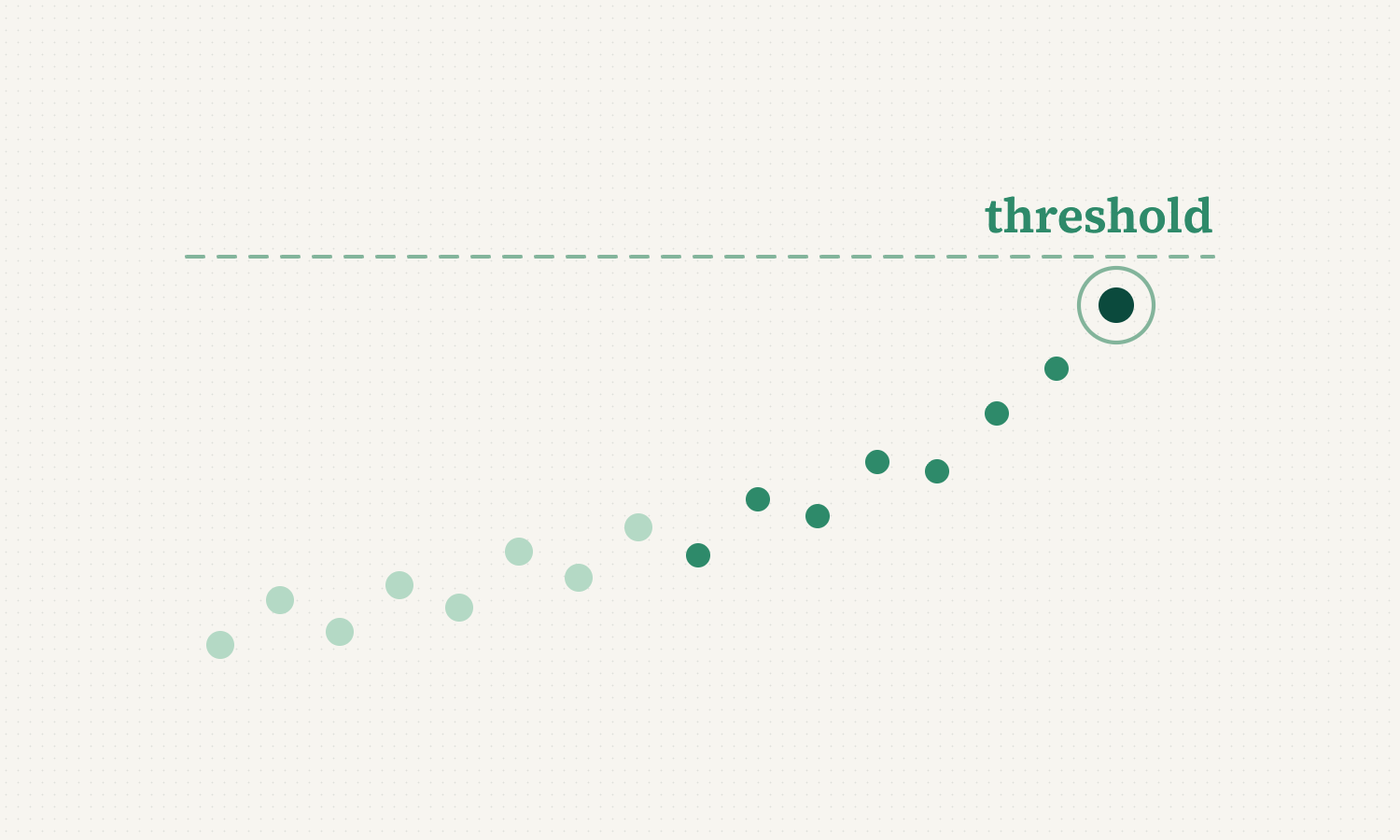
- No easy way to spot a slow drift toward a threshold before it becomes an exceedance.
What actually helps
Utilities that manage this well tend to treat monitoring as infrastructure in its own right, not an afterthought to the permit:
- A single system of record for sampling schedules, results, and chain-of-custody documentation, instead of data split across labs and spreadsheets.
- Automated reminders tied to each monitoring point’s required frequency, so nothing depends on someone remembering a due date.
- Trend visibility that surfaces a result heading toward a threshold, not just a pass/fail on the most recent sample.
- Reporting that can be pulled quickly and defensibly, whether the request comes from a regulator or the public.
Where this overlaps with stormwater — since runoff quality is one of the more heavily monitored water quality categories for many municipalities — a stormwater management platform built around inspection and monitoring tracking can help centralize that piece specifically.
The bottom line
Water quality compliance is ultimately about proving something, not just permitting something — and proof requires consistent, well-documented monitoring over time. The utilities that handle it best aren’t the ones with the fewest exceedances by luck; they’re the ones whose monitoring programs are disciplined enough to catch problems early and produce a clean record whenever it’s asked for.