
From signed contract to go‑live, with a clear path the whole way
Every implementation includes a dedicated Implementation Manager, a kickoff call, and a timeline tailored to your program and data.
What onboarding looks like
Kickoff.
After signing, you meet your dedicated Implementation Manager. A kickoff call with your team confirms scope, timeline, and what we need from you first.
Data migration.
We import an export of your existing records, flag gaps or duplicates, and finalize the field map together. Cleaned data moves into a secure sandbox for your team to review. After your sign-off, the production cutover typically takes a single day.
Configuration and testing.
Your program’s permits, forms, and workflows are configured to your requirements. Your team then runs user acceptance testing before anything goes live.
Training and go-live.
Your staff are trained on the platform, then your program goes live on SwiftComply.
Typical timelines by program
Timelines depend on your program’s complexity and the state of your existing data, but here is what to expect from kickoff to go-live.
What helps you move faster
Across every program, the biggest driver of the timeline is the state of your existing data. Coming in with a digital export of your current records, even an imperfect spreadsheet, moves you toward the faster end of these ranges.
Starting from paper records, or building a list from scratch such as a first-time site inventory or a new FSE list, adds time up front. That is not a sign of anything going wrong; that data simply has to exist somewhere before it can be migrated.
Has to exist somewhere before it can be migrated
Built for how each of you works
Utility Director
You need a timeline you can plan a budget cycle around, not a rough guess. You get a program-specific estimate up front, based on your actual data and scope, so there are no surprises for your board or council.
Program Manager
You are the one keeping the lights on during the switch. Your existing systems stay live until your team signs off on the migration, and training happens before go-live, not after.
Compliance Manager
A migration should never create a gap in your record. Every data sync is previewed and approved before it runs, and your historical record moves with it, so your documentation stays continuous from your legacy system straight through to SwiftComply.
IT Manager
Implementation is scoped and managed by your dedicated Implementation Manager, with a defined data validation and testing process before anything touches your live environment. See the Integrations page for the technical detail on how your systems connect.
Get a timeline built around your program
Request a demo, and we will walk through what implementation actually looks like for your specific program and data.
Frequently asked questions
What happens right after we sign?
You are introduced to your dedicated Implementation Manager, and a kickoff call is scheduled with your team to confirm scope, timeline, and what we need from you first.
Can we go live faster than the typical range?
Sometimes. The biggest factor is the state of your existing data. Utilities with a clean digital export of their current records regularly land at the faster end of these ranges.
What if we are standing up a program for the first time, with no existing digital records?
That is common, especially for Stormwater and FOG programs. Building an initial site or facility inventory during onboarding adds time up front, and we plan for it in your timeline rather than treating it as a delay.
Does CROMERR approval for Pretreatment affect our software go-live?
No. CROMERR approval is a separate regulatory process from your software implementation, with no fixed deadline of its own, so it does not hold up your SwiftComply go-live.
What do you need from us to keep things on schedule?
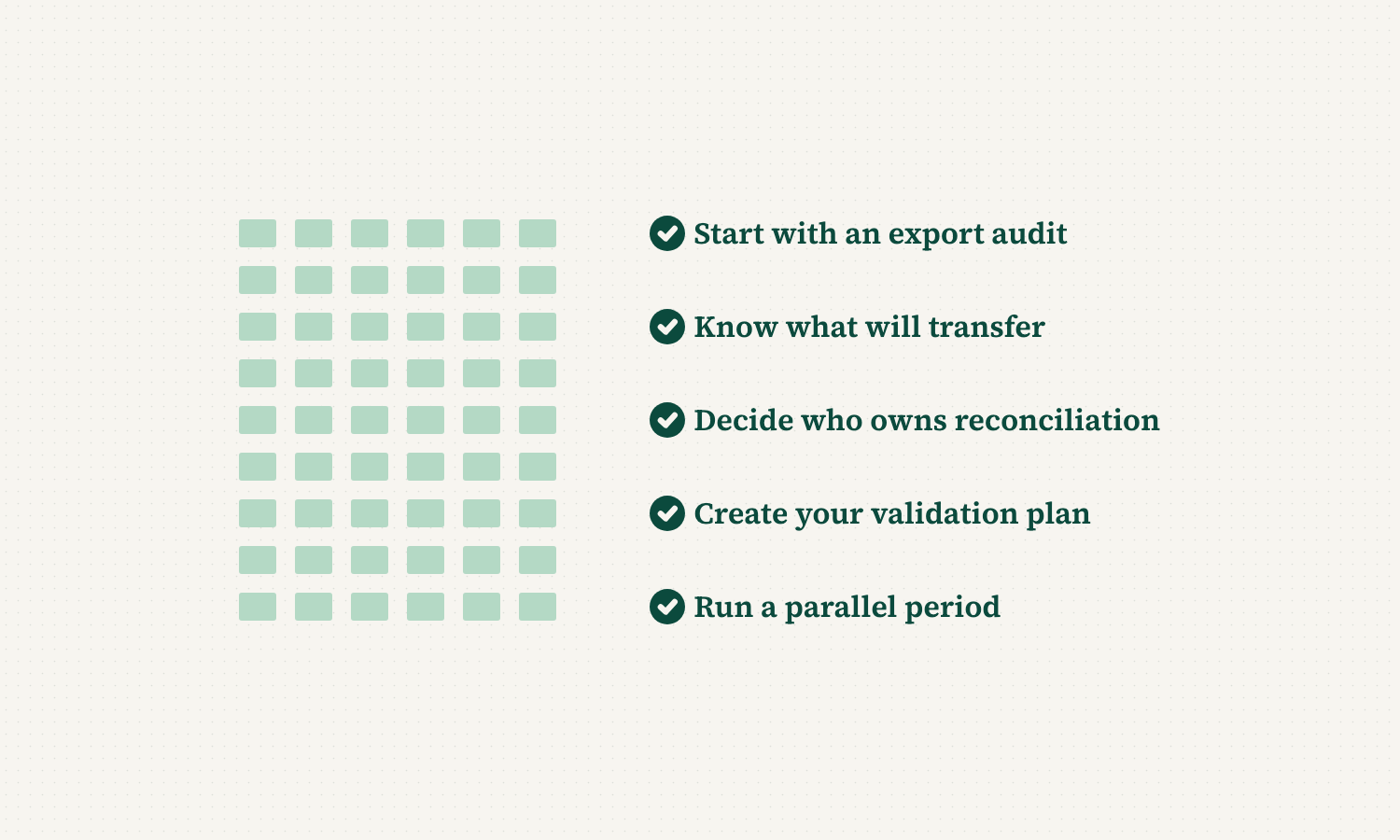
Mainly, an export of your existing records as early as possible, and staff time for user acceptance testing and training before go-live.
How long does a typical Stormwater/MS4 implementation take?
Timelines vary with the number of MCMs configured and the state of existing site/BMP data, but implementations commonly run 6-8 weeks from kickoff to go-live. Programs standing up a stormwater program for the first time with no prior digital records may take longer for initial site inventory than programs migrating from an existing (if imperfect) system.
How long does a typical Pretreatment implementation take?
Timelines depend on the number of active IU permits, the state of existing data, and whether your program needs CROMERR approval configured alongside the software rollout, but implementations commonly run 10-12 weeks. Programs with clean existing permit/limit data and a smaller IU count go faster; note that CROMERR program approval itself is a separate regulatory process from software implementation and has no fixed deadline.
How long does a typical FOG implementation take?
FOG implementations typically take 4-6 weeks but depend heavily on whether you have an existing digital FSE (food service establishment) list or are building one from scratch during onboarding. Programs with an existing list (even in Excel) go faster than programs starting facility discovery in the field.
How long does a typical backflow implementation take?
Timelines vary with data quality and scope, but implementations commonly run in the 8–12 week range from kickoff to go-live, including data migration, user acceptance testing (UAT), and staff training. Programs with clean existing data and fewer custom fields go faster; programs migrating from very old or poorly maintained systems should budget more time for data cleanup.